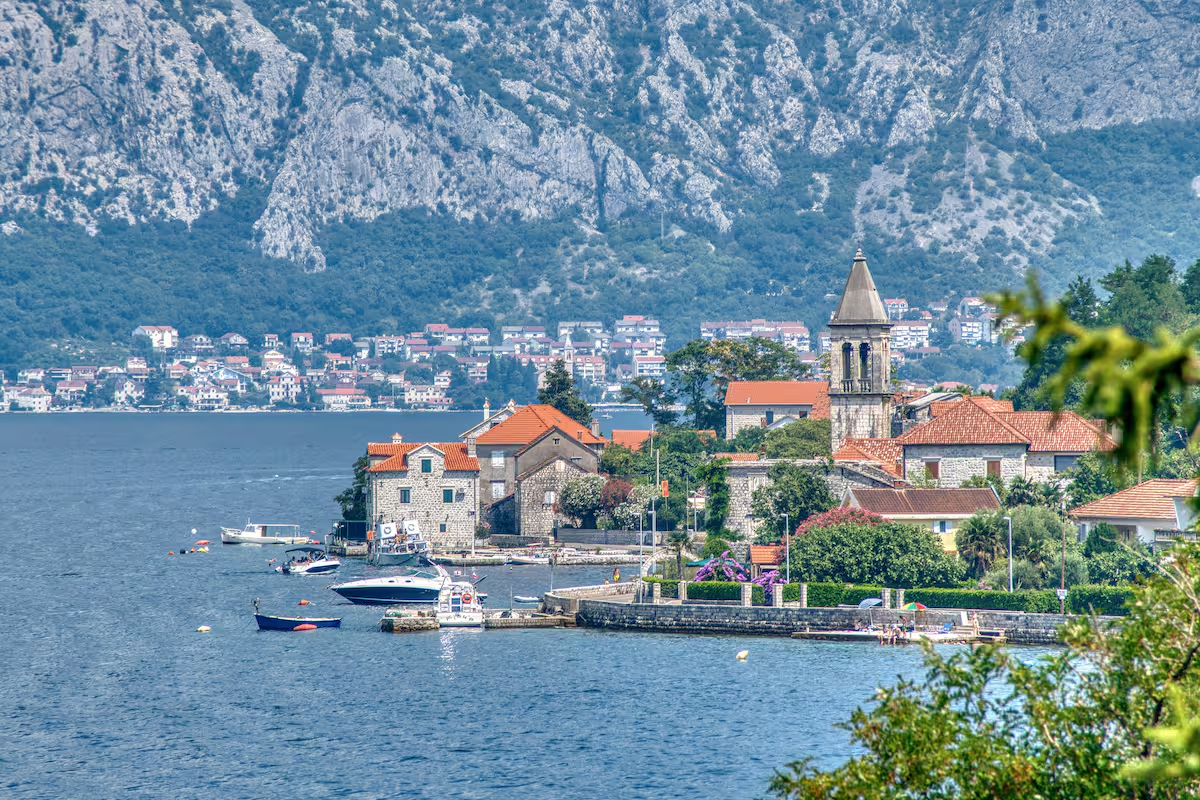
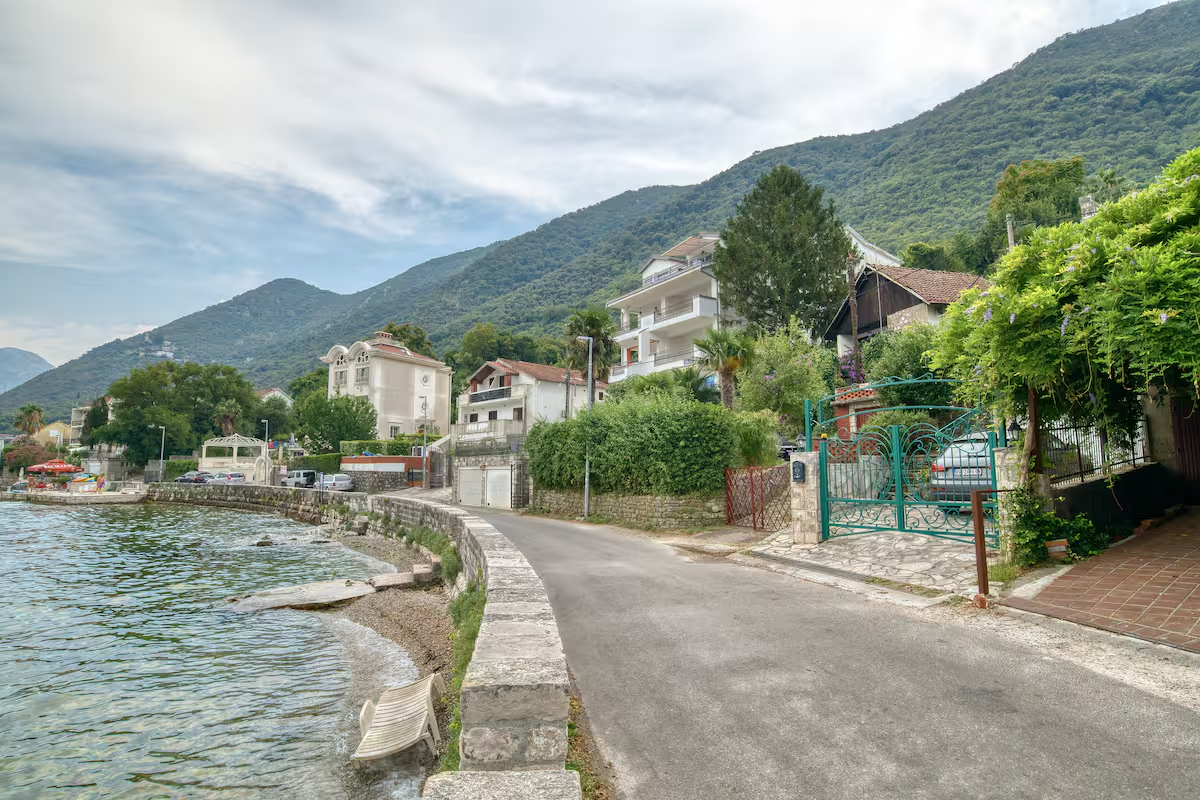
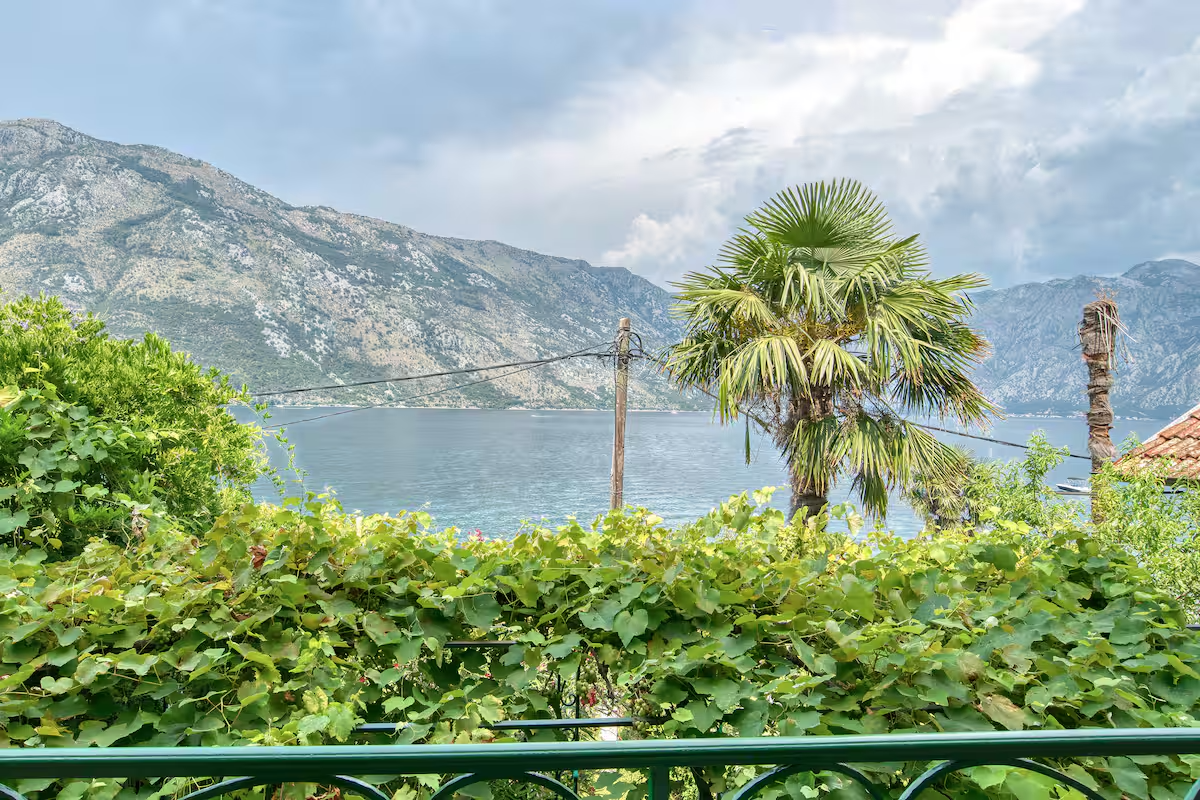
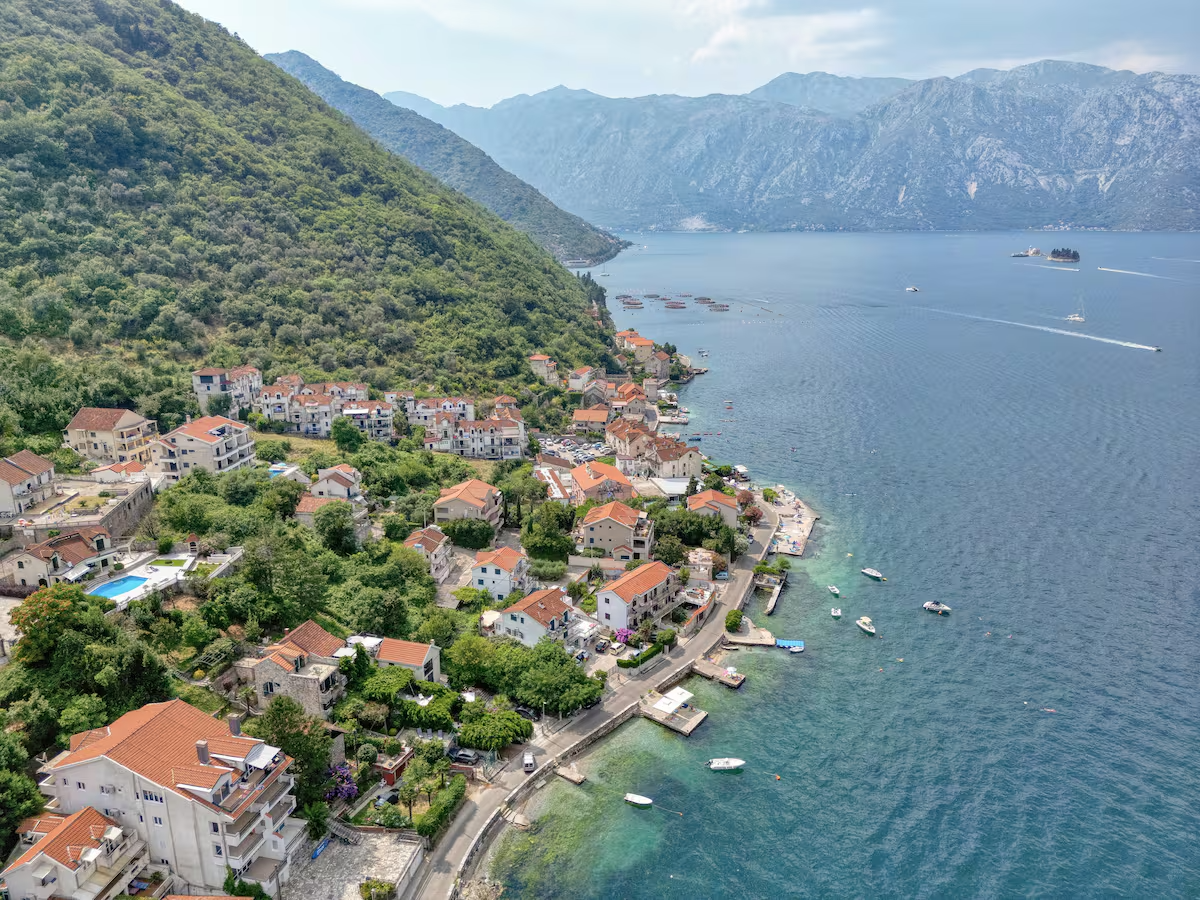
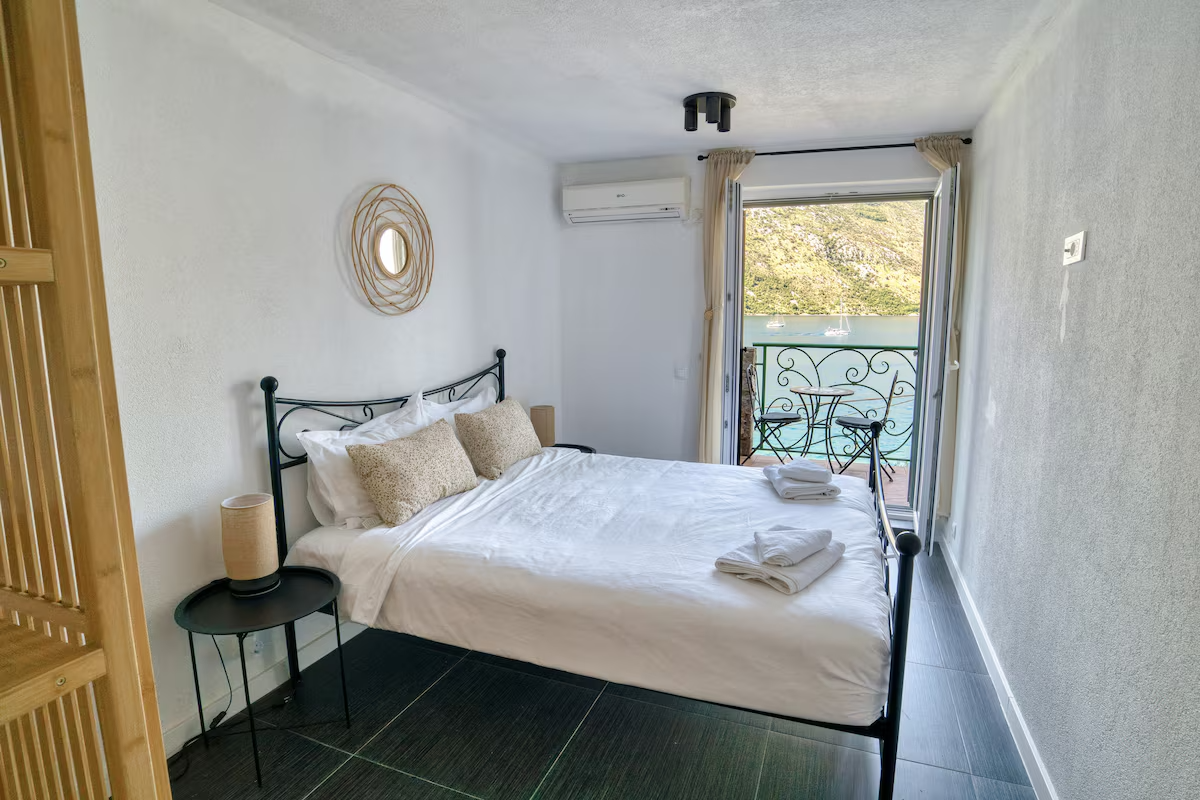
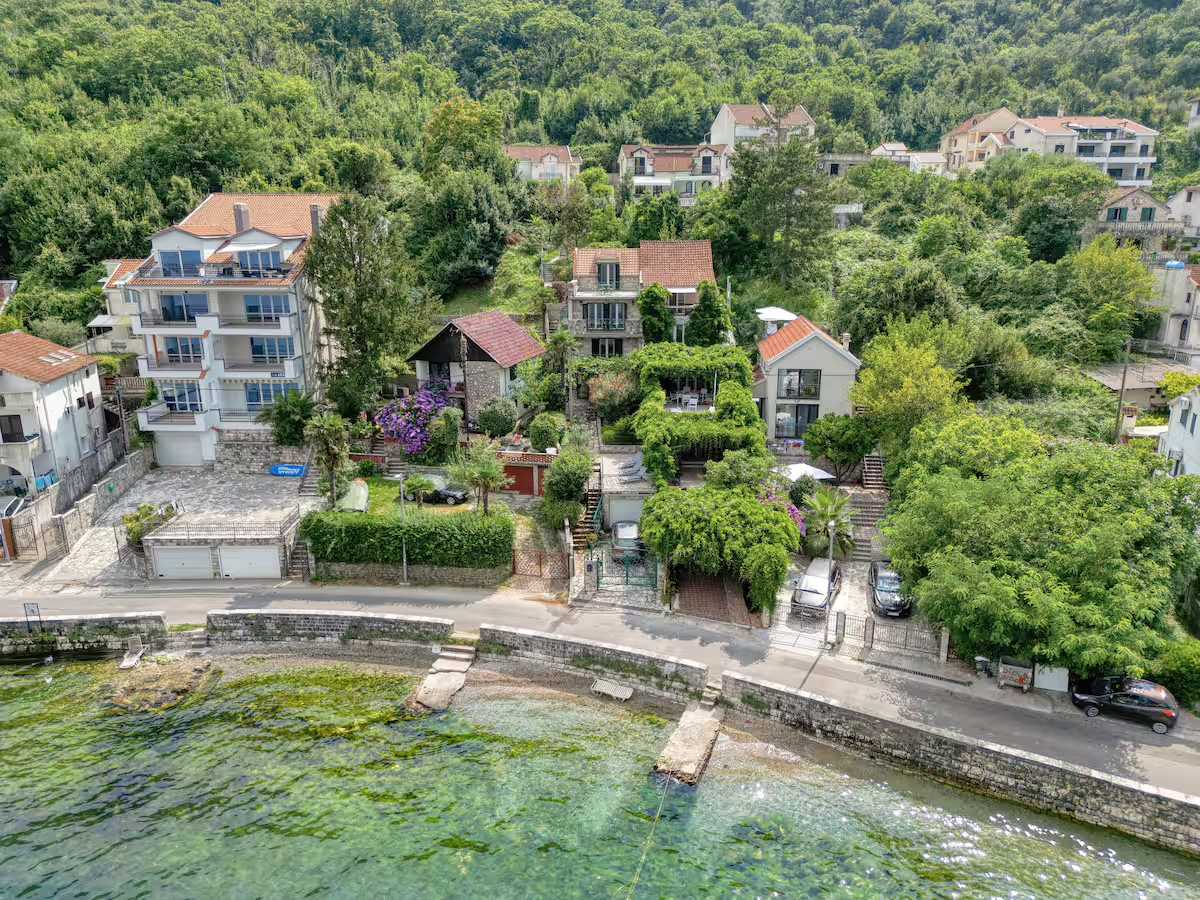
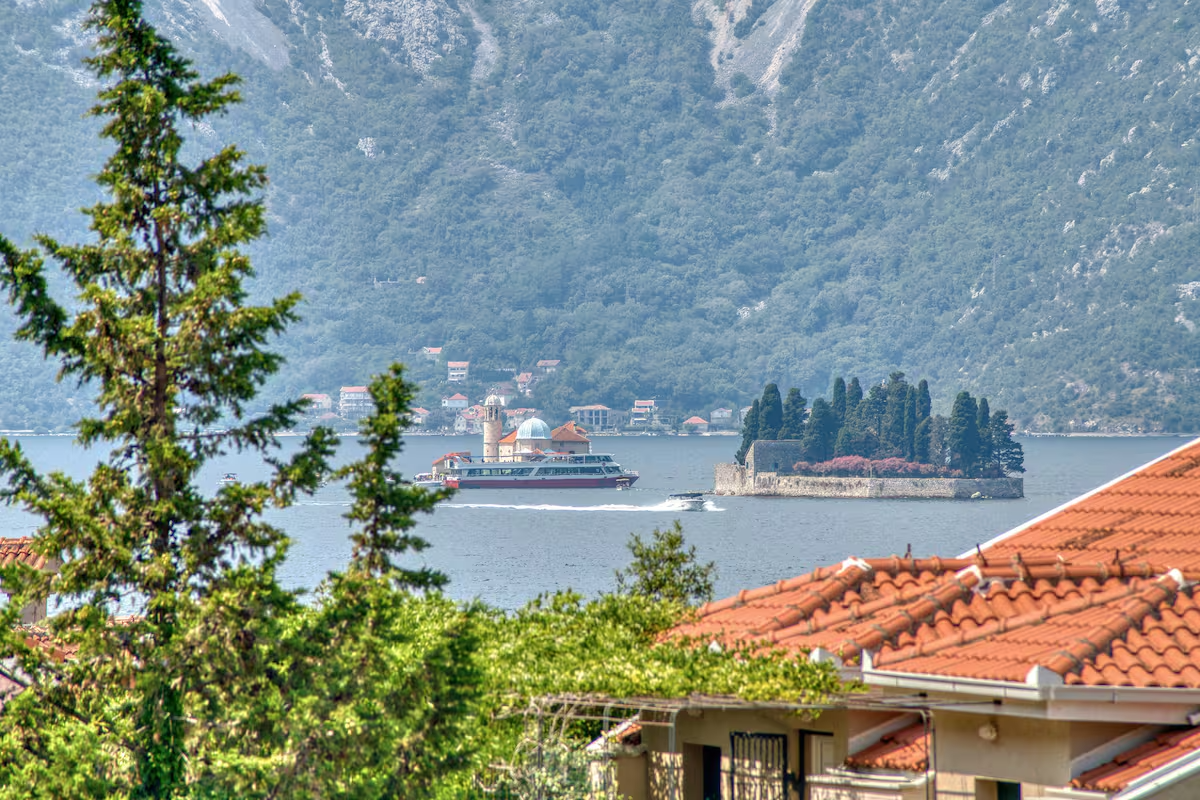
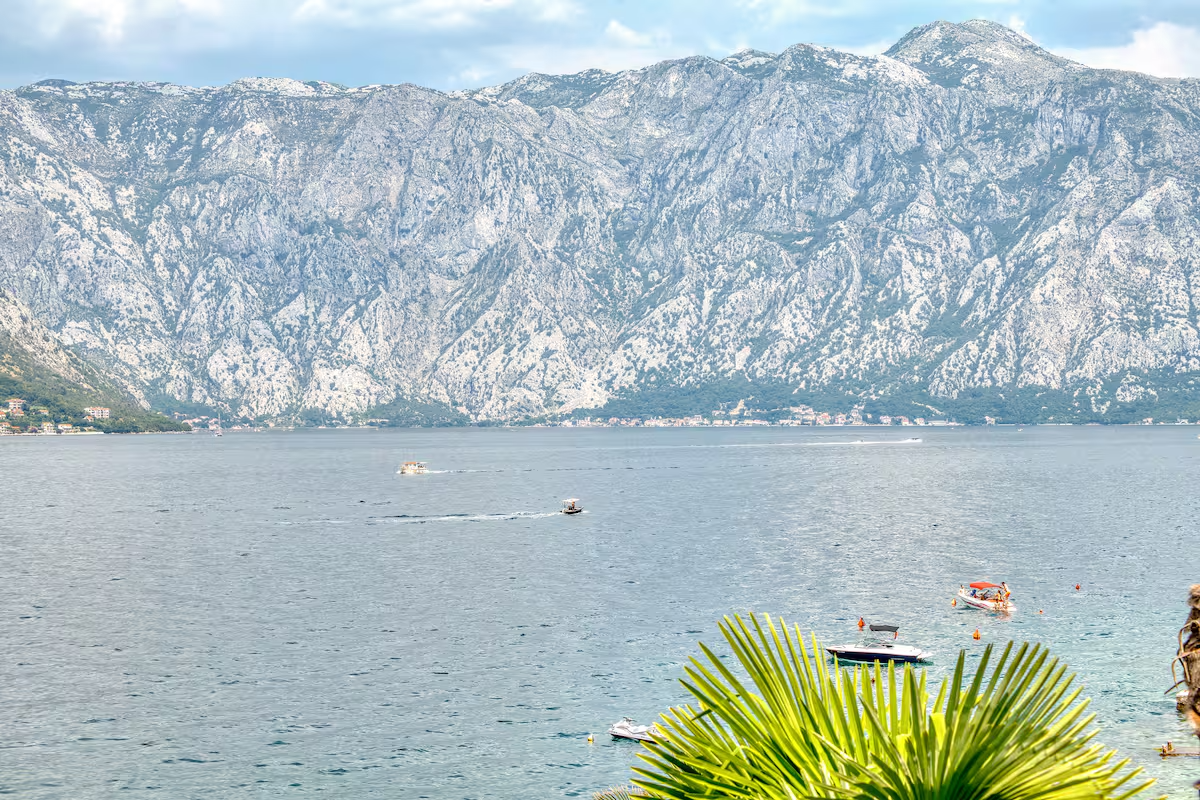
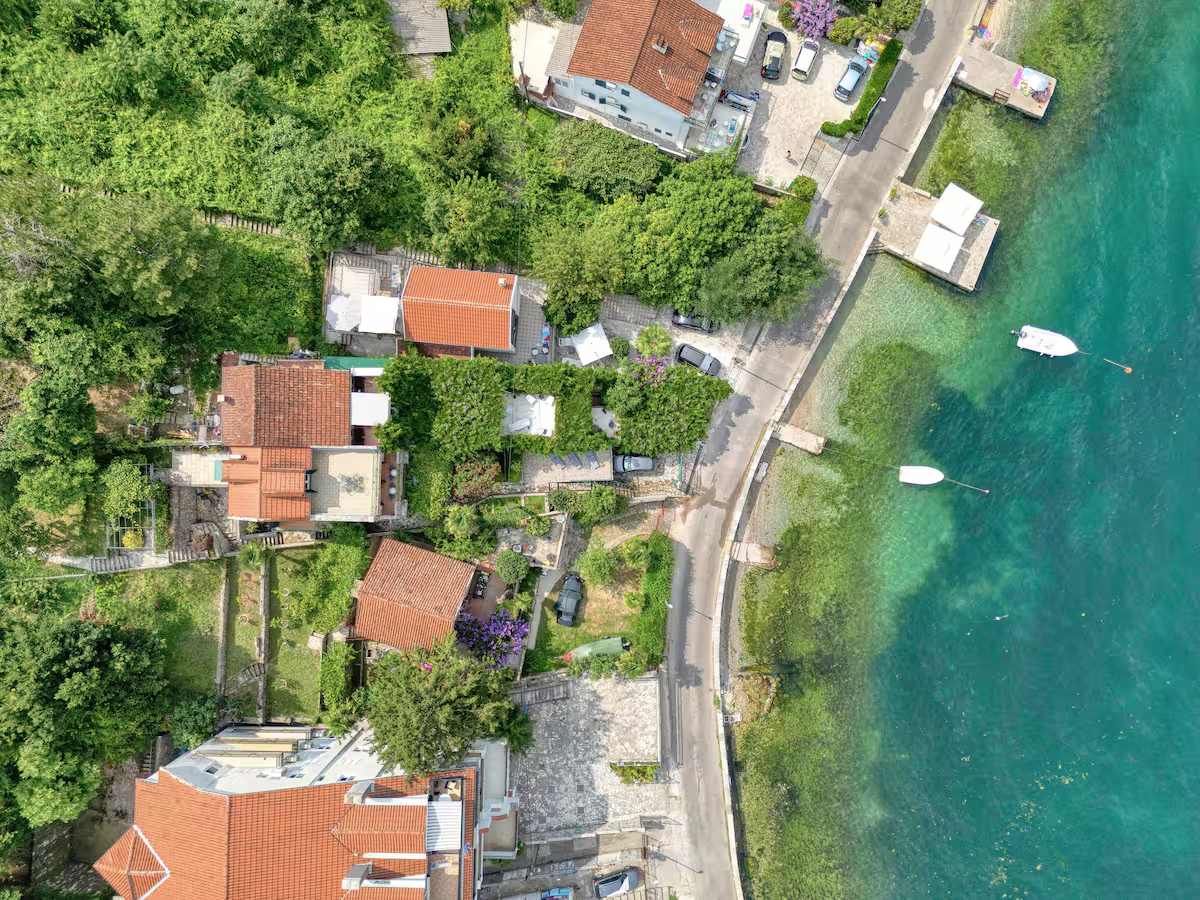
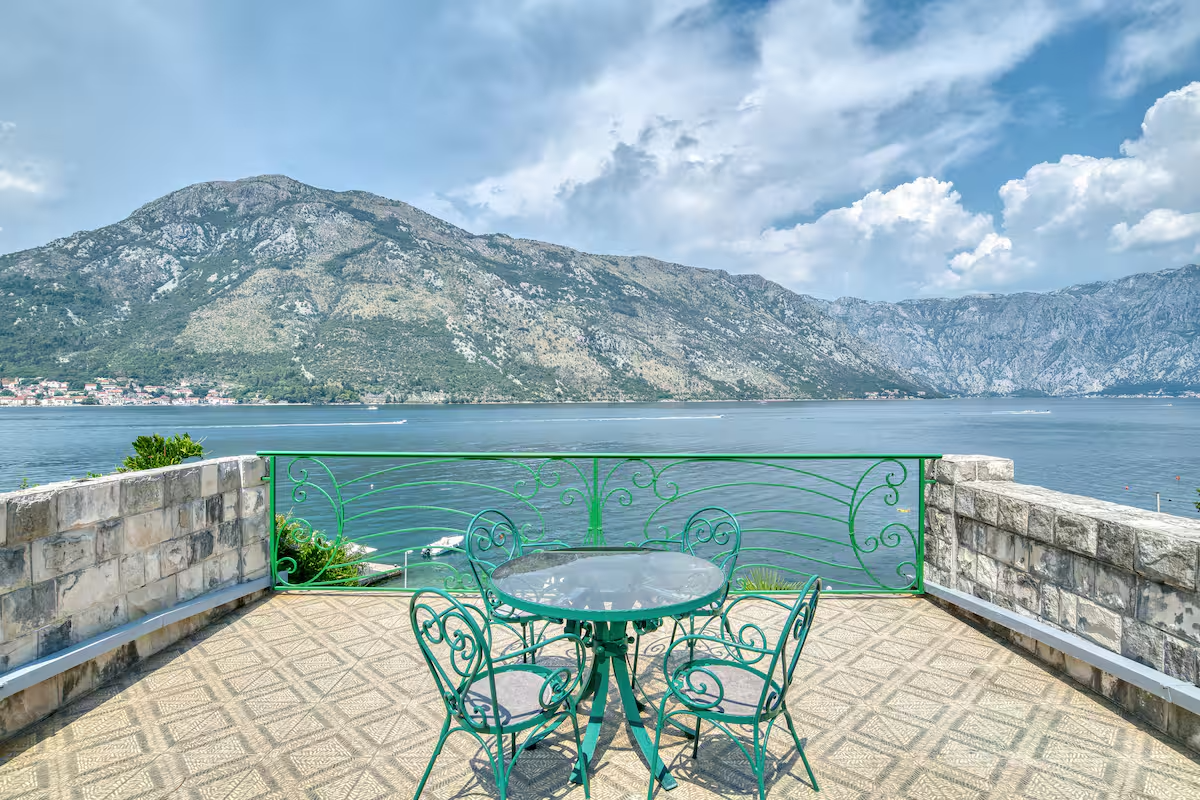
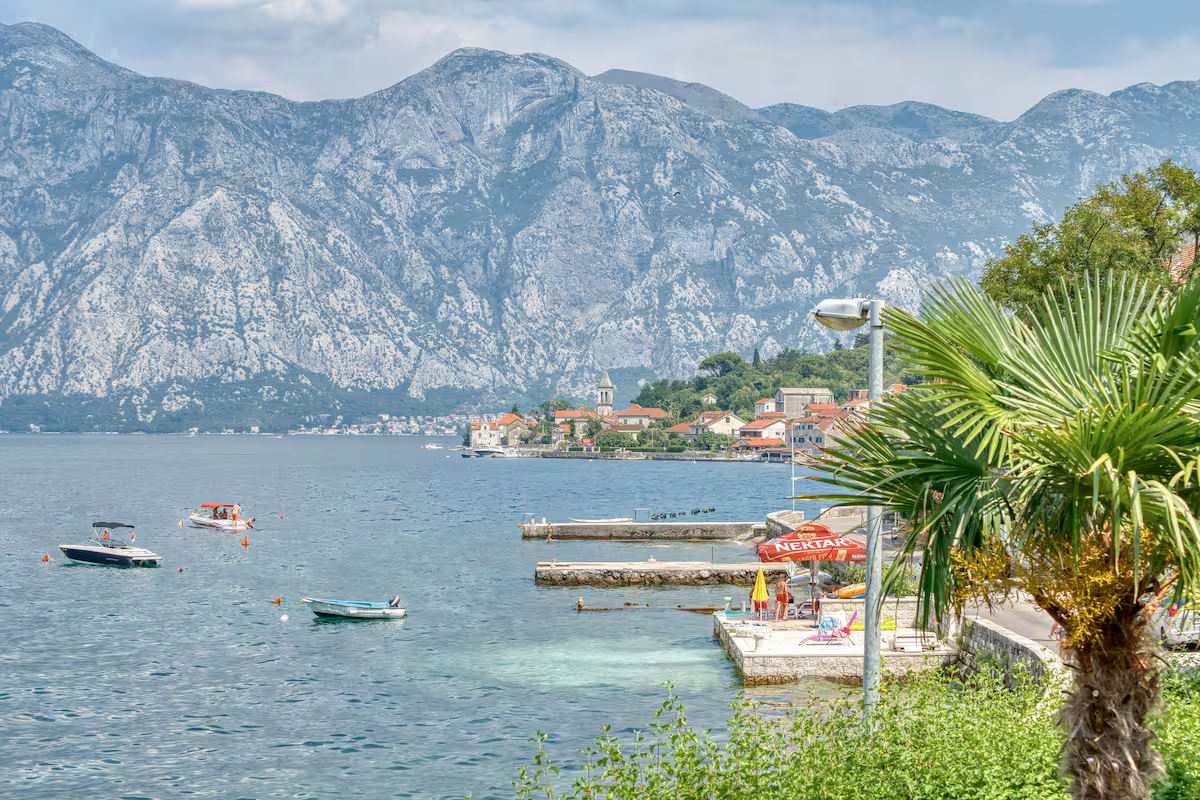
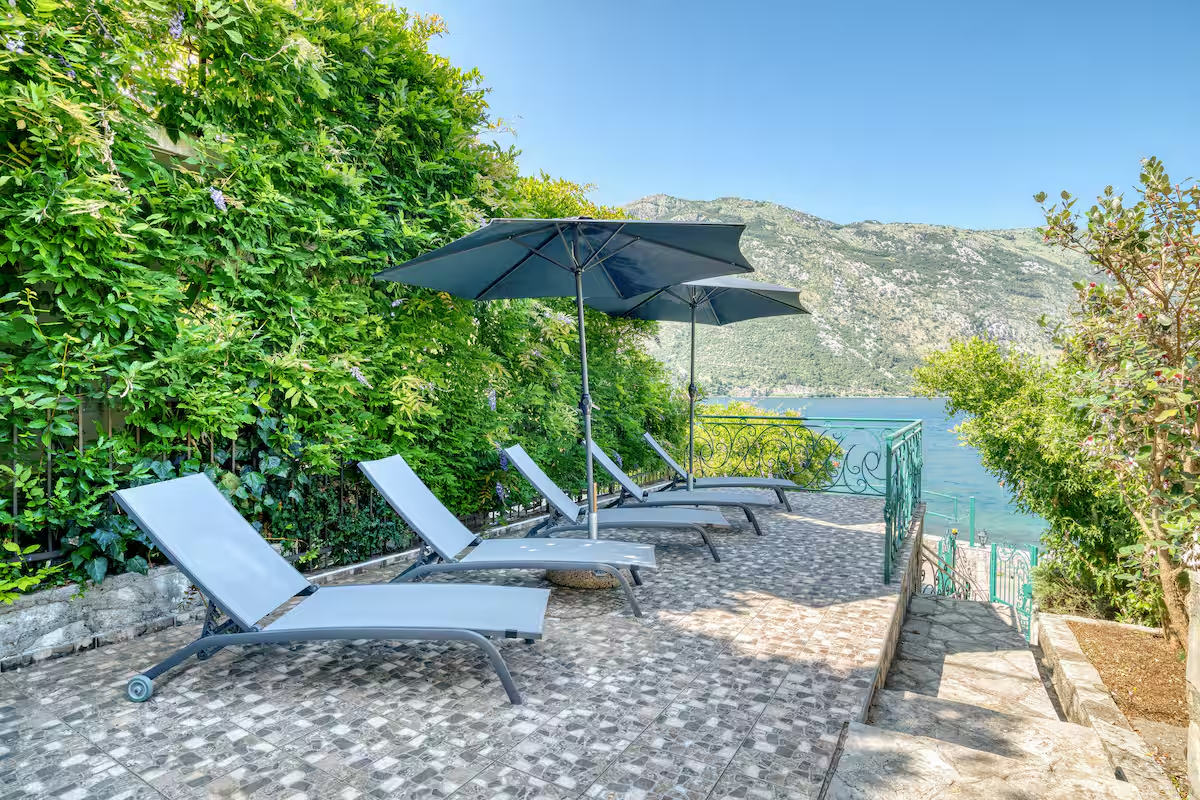
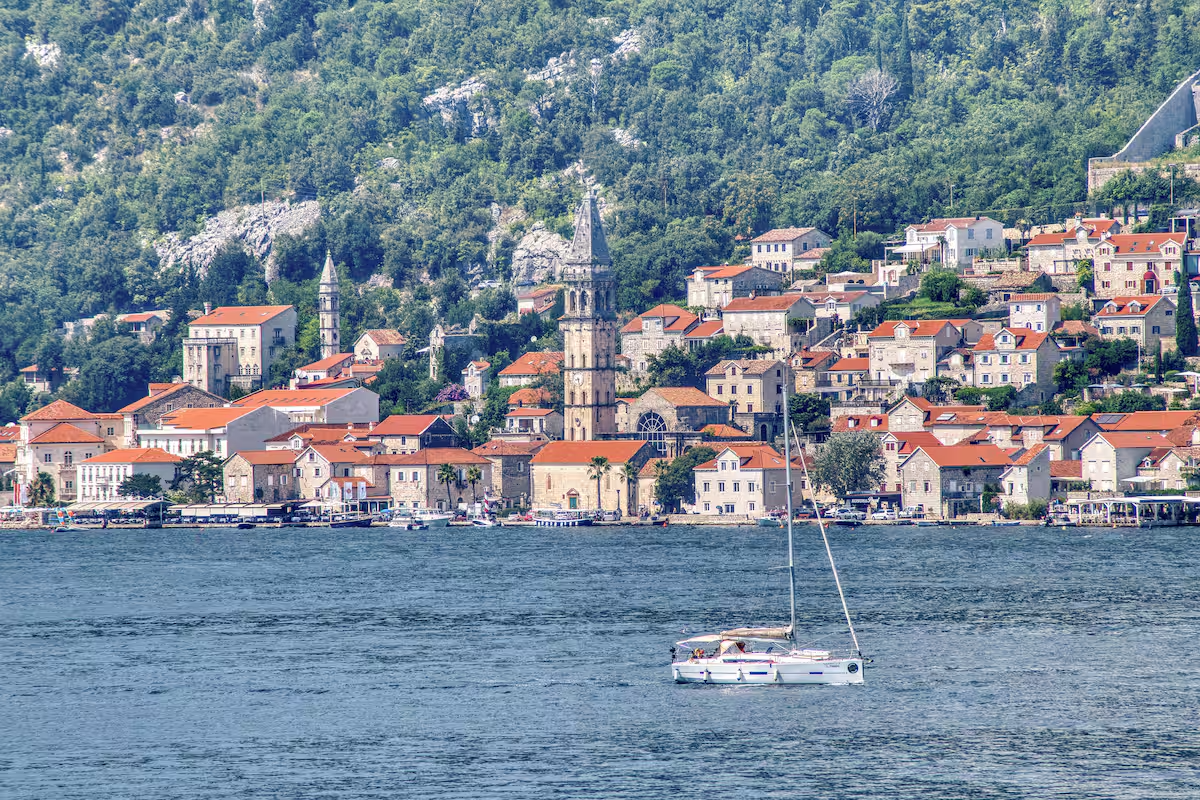
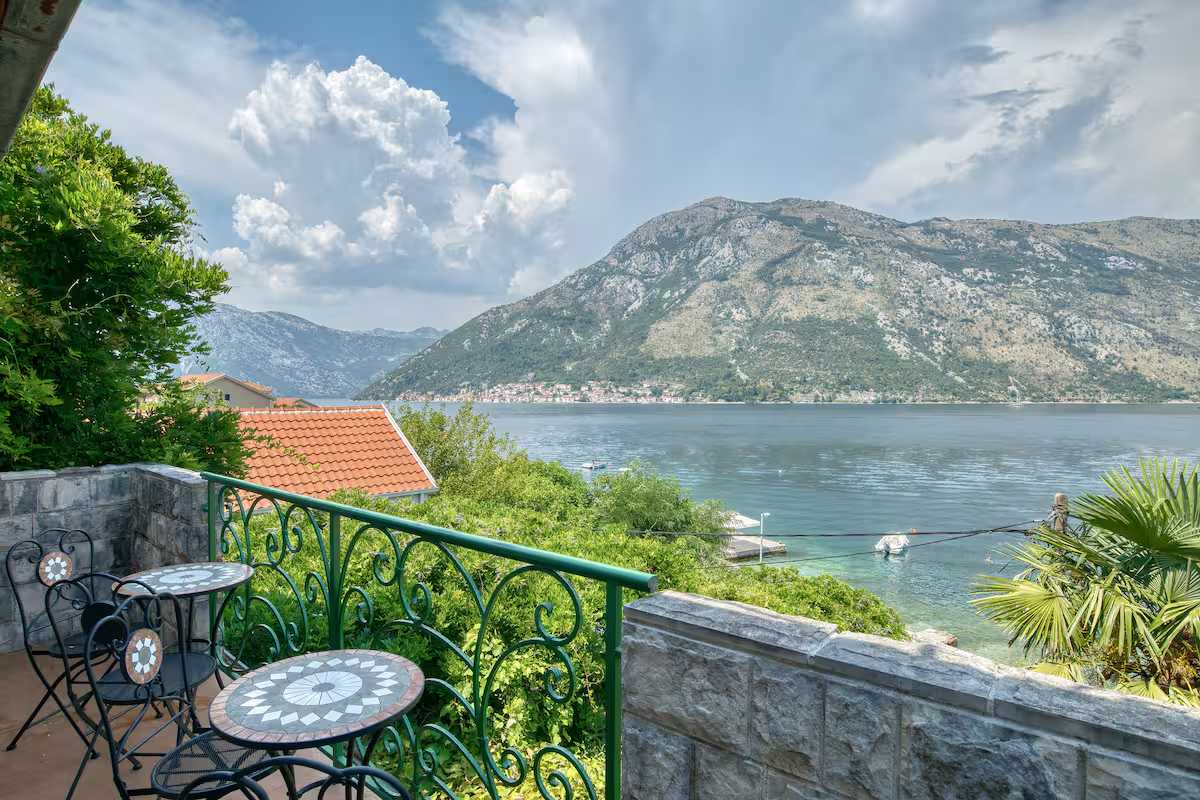
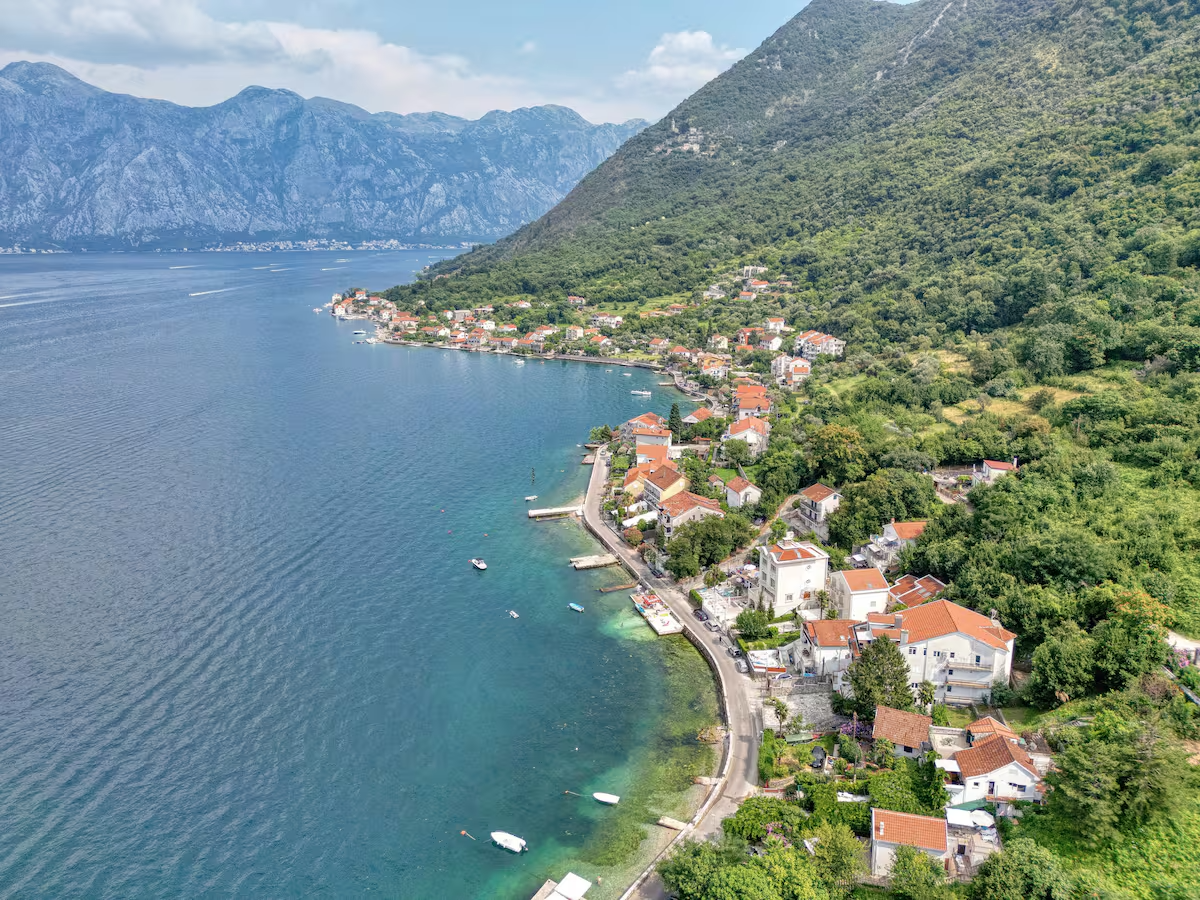
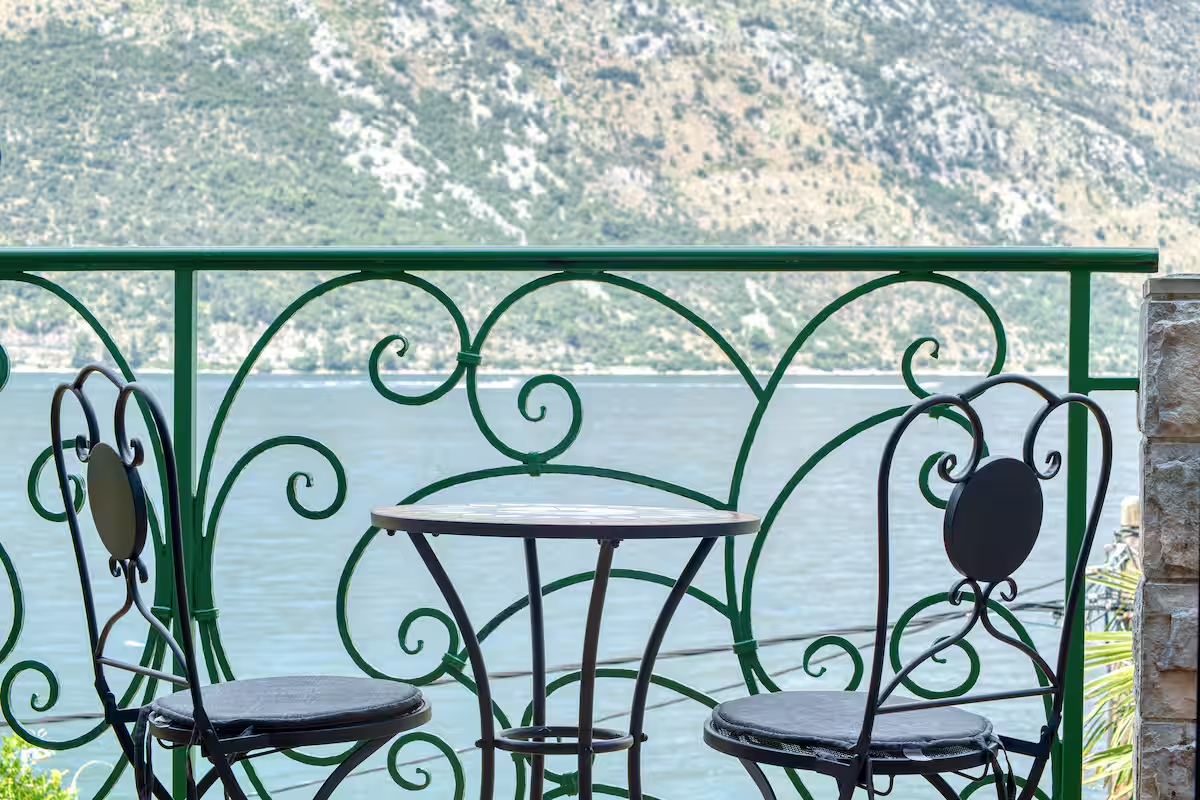
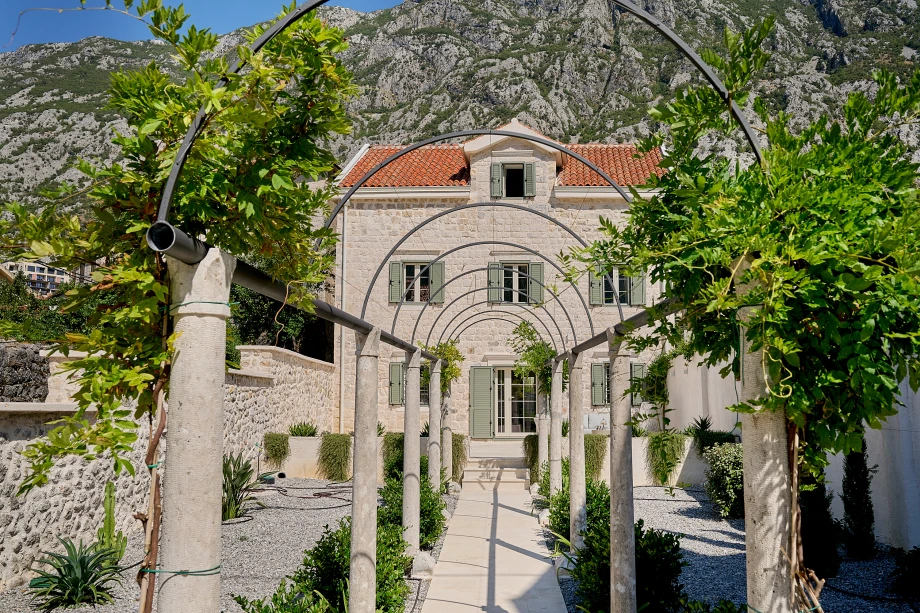
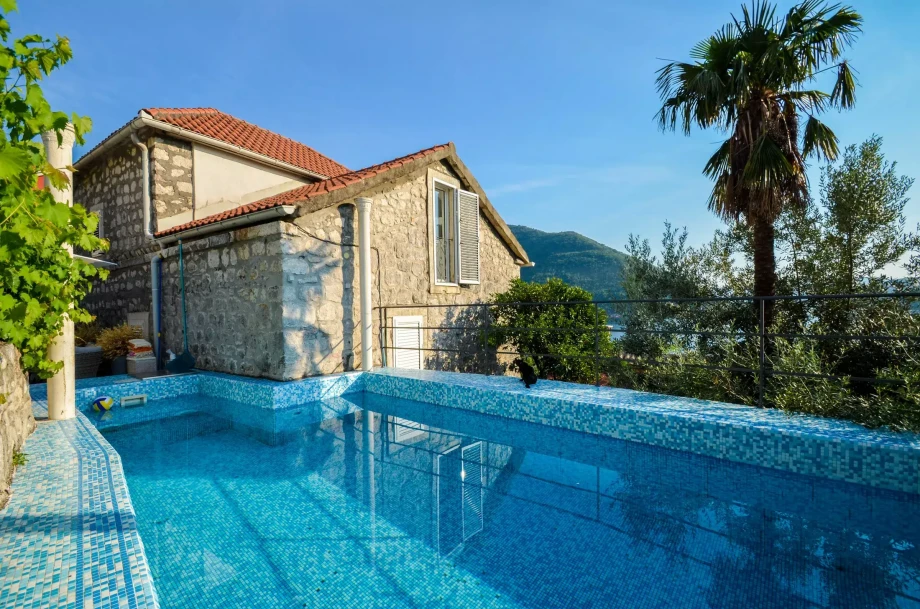
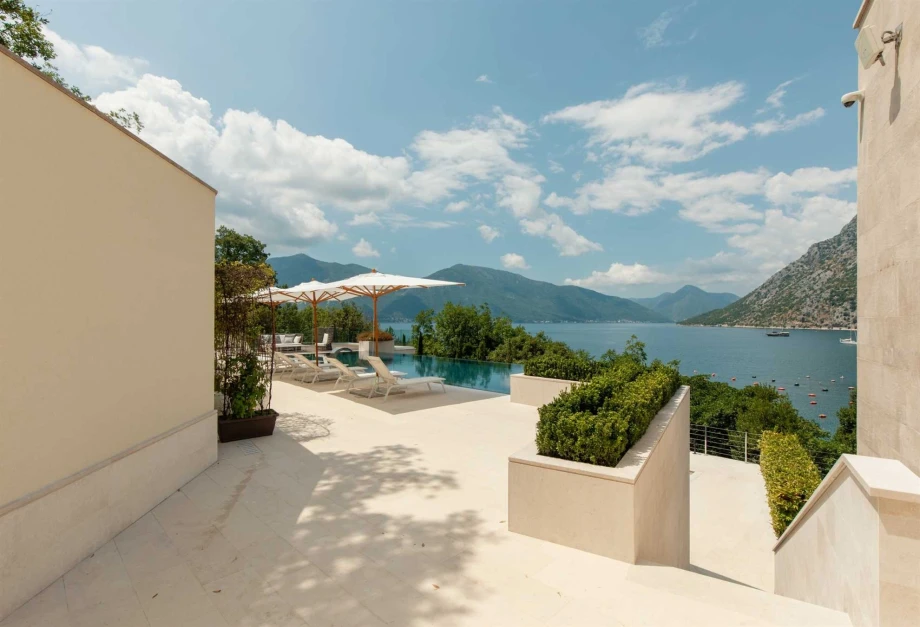
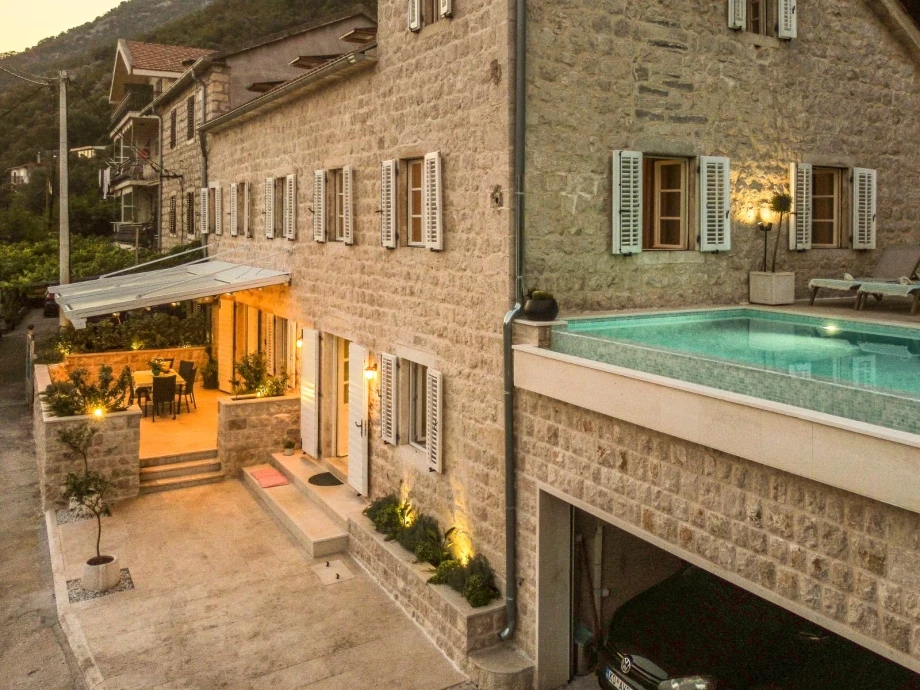
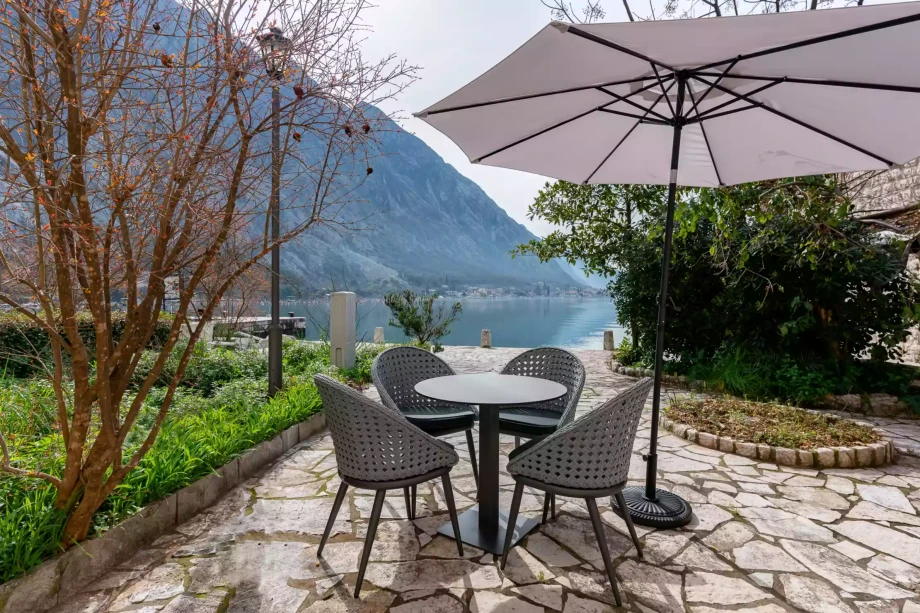
Kotor is a charming town located in the Bay of Kotor in Montenegro, a small Balkan country in Southeast Europe. It is surrounded by stunning mountains and crystal-clear waters, making it a popular destination for tourists looking for natural beauty and cultural heritage. Kotor is known for its well-preserved medieval architecture, its picturesque old town, and its vibrant local culture.
Kotor's history dates back to the 3rd century BC when it was a small Illyrian settlement. Throughout the centuries, it was ruled by various empires, including the Romans, Byzantines, Venetians, and Ottomans. These influences are evident in the town's architecture, which features a mix of Romanesque, Gothic, Renaissance, and Baroque styles. Kotor was declared a UNESCO World Heritage Site in 1979, recognizing its cultural and historical significance.
The old town of Kotor is a maze of narrow streets and alleys that are lined with traditional stone houses and historic landmarks. The town is surrounded by a fortified wall that was built during the Venetian period to protect it from invaders. Walking along the walls is a popular activity among tourists, as it offers breathtaking views of the Bay of Kotor and the surrounding mountains.
One of the most iconic landmarks in Kotor is the Cathedral of Saint Tryphon, which was built in the 12th century and underwent several renovations throughout the centuries. The cathedral is dedicated to Saint Tryphon, the patron saint of Kotor, and features a blend of Romanesque and Byzantine styles. Another notable landmark is the Church of Our Lady of Health, a Baroque-style church located on a hill overlooking the town. It was built in the 16th century and is said to have protected the town from the plague in the 17th century.
Aside from its historic landmarks, Kotor is also known for its lively local culture. The town has a rich tradition of music, dance, and food, which is celebrated through various festivals and events throughout the year. One of the most popular festivals is the Kotor Carnival, which takes place in February and features colorful parades, music, and dancing. The town also hosts the KotorArt Festival, a summer event that showcases local and international artists in various fields, including music, theater, and visual arts.
Kotor is also a popular destination for outdoor activities. The Bay of Kotor is a paradise for water sports enthusiasts, offering activities such as sailing, kayaking, and paddleboarding. The surrounding mountains provide opportunities for hiking and trekking, with trails that offer panoramic views of the bay and the Adriatic Sea. One of the most popular hikes is the trail to the Fortress of San Giovanni, a 14th-century fortress that sits atop a hill overlooking the town. The hike is steep but rewarding, with stunning views of the bay and the surrounding mountains.
In terms of food and drink, Kotor offers a variety of traditional dishes and local specialties. Seafood is a staple in the town's cuisine, with fresh fish and shellfish served in various ways. The town is also known for its cured meats, cheeses, and olive oil, which are produced locally. Montenegrin wine is another highlight, with several wineries located in the nearby countryside.
In conclusion, Kotor is a must-visit destination for anyone traveling to Montenegro or the Balkans. Its unique blend of natural beauty, cultural heritage, and vibrant local culture make it a truly special place. Whether you're interested in history, outdoor activities, or simply soaking up the local atmosphere, Kotor has something to offer for everyone.


 English
 Russian
 Deutsch
 Italian
 Turkish
 Serbian
 Montenegrin